





- College Connections: articulation agreementswith
- Paul Smith’s College (3 credits)
- University of Maine at Fort Kent (up to 6 credits)
- Unity College ( up to 6 credits)
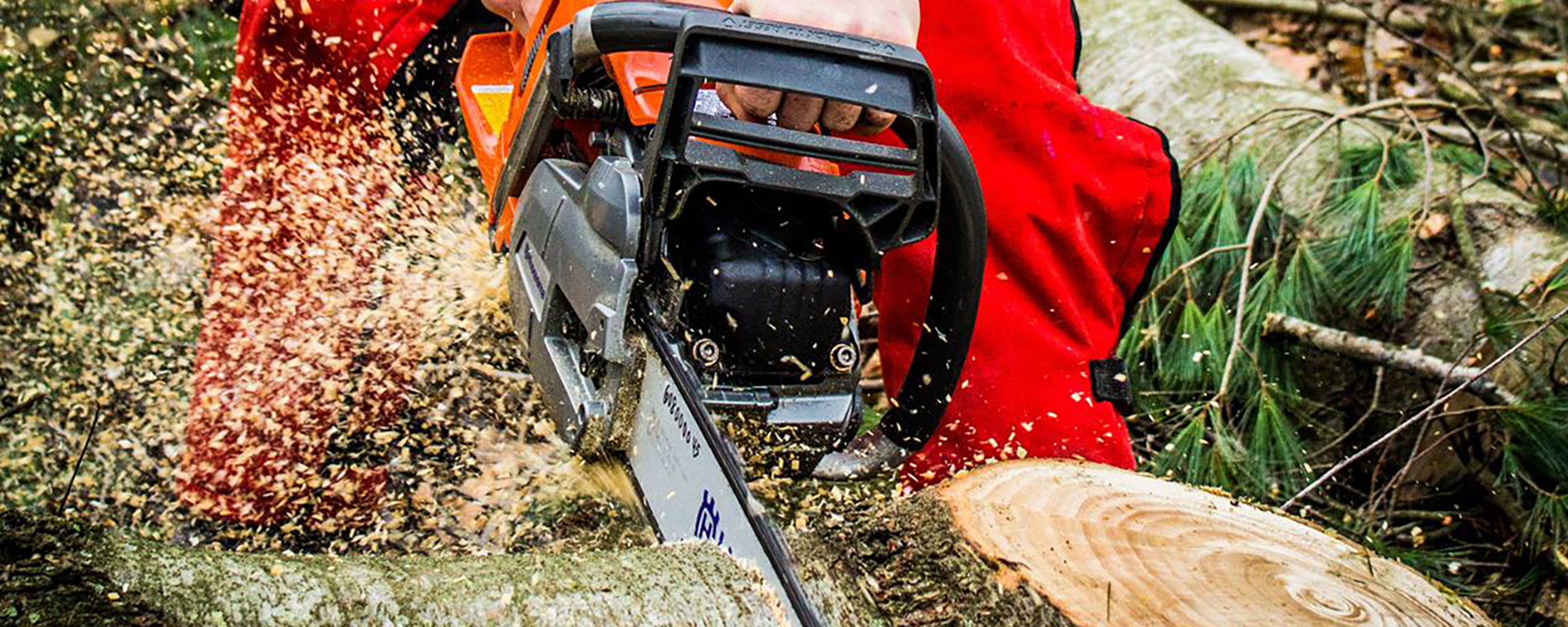
The Natural Resources & Forestry Program allows students to gain practical skills through introductory experiences with forest products, wildlife management, conservation practices, outdoor recreation, maple syrup production, soil and water quality analysis, urban tree management and landscape design/installation.
Certifications
- Game of Logging 1-4
- OSHA Agricultural Safety Certification
- Logger Education and Advanced Professionalism
- American Heart Association Heartsaver®️ CPR/ AED
- Wilderness First Aid Certification
- Stop the Bleed (American College of Surgeons)
Advisory Committee
- David Birdsall— Northeast Woodland Training
- Katie Sliles— Rutland NRCD
- Mark Raishart – VT Dept of Forest Parks and Recreation
- Tim Smith— Rutland City Forester Arborist
- Ken Gagnon— Gagnon Lumber
- Corey Hart— VT Dept Fish and Wildlife
- Joe Epler— Rutland City Assistant Arborist
- Melinda Hart — Vermont Farm Food Center
This program helps students interested in conservation and natural resource management gain skills, knowledge and experience while developing valuable relationships with industry professionals. Students will be involved in practical experiences related to the forest ecology, outdoor recreation, wildlife and fisheries science, soil and water quality analysis and conservation, heavy equipment operation, landscape installation and conservation-related construction projects. The natural areas of western Vermont become the lab as students explore working forests, conservation and recreational areas, nurseries and farms, and processing facilities.
What We Do
 Outdoor laboratories– 4,000 acre Rutland City Watershed and various private lands, Career Exploration and related college guidance, meet professionals through site visits, field trips, competitions and community service activities, learn about residential landscaping as part of the Student Craft house project, raise seasonal vegetable and landscape plant seedlings.
Entry Requirements
Recommended Prerequisites:
To be successful in this program, applicants should be able to demonstrate the following prior to entry: read and comprehend complex informational texts independently and proficiently (i.e. safety and equipment manuals); ability to use technology for research, critical thinking, decision making, communication, collaboration, creativity and innovation; and, demonstrate the responsible use of technology and an understanding of ethics and safety issues in using electronic media in school; communicate clearly, effectively and with reason through spoken language; communicate using clear and coherent written language; participate effectively as a member of a team; act as a responsible and contributing citizen by being conscientious
of the impacts of decisions on others and the environment; understand and apply proportional relationships, operations with rational numbers, and linear equations; fluency in solving equations with fractions, decimals and percentages; competency with fine and gross motor skills; willingness to engage in physical activity in a range of weather conditions and rough terrain.
Embedded Credits: 1 Science OR 1 Math
Program Instructor – Mike Stannard
 Mike Stannard joined Stafford Natural Resources and Forestry in 2023 after 16.5 years as a Science Teacher at Rutland High School and 19 overall. He graduated from Paul Smith’s College in 1997 with an A.A. in Environmental Studies and from Johnson State College (Northern Vermont University), in 2000, with his B.S. in Environmental Science. From childhood, Mike has worked, studied, and adventured in the outdoors. From the hills andmountains of Vermont and the Adirondacks to the rainforests and coral reefs of Belize to the wild rivers of Alaska, Mike has made snowboarding, paddling, hiking, wildlife photography, flyfishing, camping, maple sugaring, hunting, and fishing a great part of he and his family’s lives.
mi***********@****vt.org (802) 770-1057
Natural Resources and Forestry Social Media 

Natural Resources & Forestry
The left side of the graphic includes the Stafford Technical Center logo and the phrase:
Career Tree – Education with Purpose
This infographic uses the image of a large tree to illustrate career pathways in Natural Resources & Forestry.
The tree begins with roots that represent the personal and educational foundation needed for career success. The trunk symbolizes growth, and the tree branches into three progressively higher levels of careers represented by layered platforms surrounding the tree.
Graphic Structure
Foundation (Roots)
The roots of the tree are labeled with four foundational elements:
- Academics
- Experiences
- Professional Skills
- Passion
These elements are presented as the basis for career development.
Level 1 – Entry-Level Careers
With Program Completion
Examples include:
- Camp Counselor
- Park Maintenance Technician
- Landscaper
- Trail Maintenance Technician
- Heavy Equipment Operator
- Wildlands Firefighter
- Farmer/ Farm Assistant
- Logger
- Aquaculturist
- Town State Infrastructure Worker
- Greenhouse Worker
- Maple Syrup Producer
Level 2 – Technical Careers
Apprenticeship, Associate Degree, Advanced Certification, Experience, etc.
Career options include:
- Naturalist
- Forester
- Arborist
- Parks and Forest Ranger
- Landscape Crew Manager
- Outdoor Recreation Guide
- Surveyor
- Search and Rescue Crew
- Timber Buyer
- Farm Manager
- Veterinary Technician
- Sawmill Operator
Level 3 – Professional Careers
Bachelor’s Degree, Master’s Degree, Ph.D., Specialized Training, Experience, etc.
Career options include:
- Wildlife Biologist
- Soil Conservationist
- Wetland Ecologist
- Civil Engineer
- Game Warden
- Botanist
- Stewardship Forester
- Landscape Architect
- Environmental Science Educator
- Fisheries Biologist
- Park Director
- Veterinarian
Key Message
The tree represents a progression of career development:
- Strong roots are built through academics, experience, professional skills, and passion.
- Students can begin in entry-level construction careers after program completion.
- Additional education, certifications, apprenticeships, and experience lead to technical careers.
- Higher education and specialized training provide pathways to professional careers with greater responsibility and leadership opportunities.
The visual emphasizes that career growth is continuous and that each stage builds upon the previous one.