Students will learn how set up and operate SMAW welding equipment, select electrodes, and weld in various positions. They will learn how to weld a pad of beads, fillet welds, and groove welds in various positions leading to an AWS welding certification. Students will also be introduced to sheet metal fabrication and light structural fabrication through project-based learning. Returning Students: Students returning for a second year will be able to continue learning at a more advanced level in welding in the program. Additional certification opportunities are available to enhance their Stafford portfolio. Curriculum and lab exercise are more intense preparing students for the workforce. Work study experiences may be available.
Welding & Metal Fabrication
The left side of the graphic includes the Stafford Technical Center logo and the phrase:
Career Tree – Education with Purpose
This infographic uses the image of a large tree to illustrate career pathways in Welding & Metal Fabrication.
The tree begins with roots that represent the personal and educational foundation needed for career success. The trunk symbolizes growth, and the tree branches into three progressively higher levels of careers represented by layered platforms surrounding the tree.
Graphic Structure
Foundation (Roots)
The roots of the tree are labeled with four foundational elements:
- Academics
- Experiences
- Professional Skills
- Passion
These elements are presented as the basis for career development.
Level 1 – Entry-Level Careers
With Program Completion
Examples include:
- Welder Assistant
- Production Welder
- Production Control
- Machine Operator
- Assembler
- Apprentice Iron Worker
- Apprentice Pipe Welder
- Certified Welder
- Equipment Welding and Repair
- Fabricator
- MIG/TIG Entry Welder
- Military Service Enlisted Welder
Level 2 – Technical Careers
Apprenticeship, Associate Degree, Advanced Certification, Experience, etc.
Career options include:
- Aerospace Welder
- Bridge Welder
- Journeyman Structural Welder
- Industrial Maintenance Worker
- Sheet Metal Mechanic
- Welding Leadperson
- Journeyman Metal Fabricator
- Underwater Welder
- Welding Equipment Salesperson
- Welding Technician
- Front Line Supervisor
Level 3 – Professional Careers
Bachelor’s Degree, Master’s Degree, Ph.D., Specialized Training, Experience, etc.
Career options include:
- Welding Engineer
- Certified Welding Inspector
- Certified Welding Educator
- Certified Welding Supervisor
- Non-Destructive Examination Inspector
- Aerospace Engineer
- Bridge Construction Supervisor
- Mechanical Engineer
- Metallurgist
- Career Tech Instructor
- Structural Engineer
- Welding Sculptor
Key Message
The tree represents a progression of career development:
- Strong roots are built through academics, experience, professional skills, and passion.
- Students can begin in entry-level construction careers after program completion.
- Additional education, certifications, apprenticeships, and experience lead to technical careers.
- Higher education and specialized training provide pathways to professional careers with greater responsibility and leadership opportunities.
The visual emphasizes that career growth is continuous and that each stage builds upon the previous one.
.





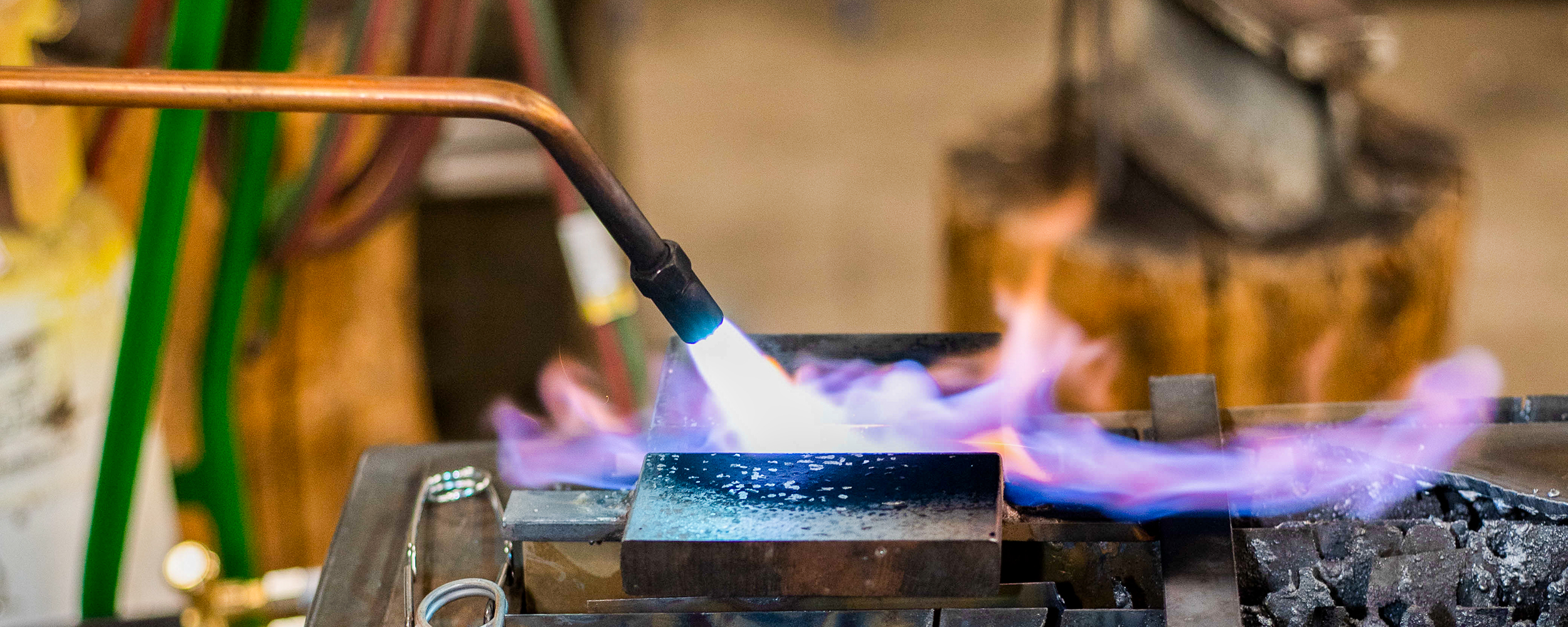
 Students learn to safely use and operate equipment for welding and metal fabrication in the shop. Students work individually and in teams to build, assemble, and/or repair metal projects. American Welding Society Structural Certification is available to students who pass the qualifications.


